
Roofing Systems That Handle Commercial Loads
Flat Roofing Systems in Amarillo for commercial buildings exposed to wind and storm drainage demands
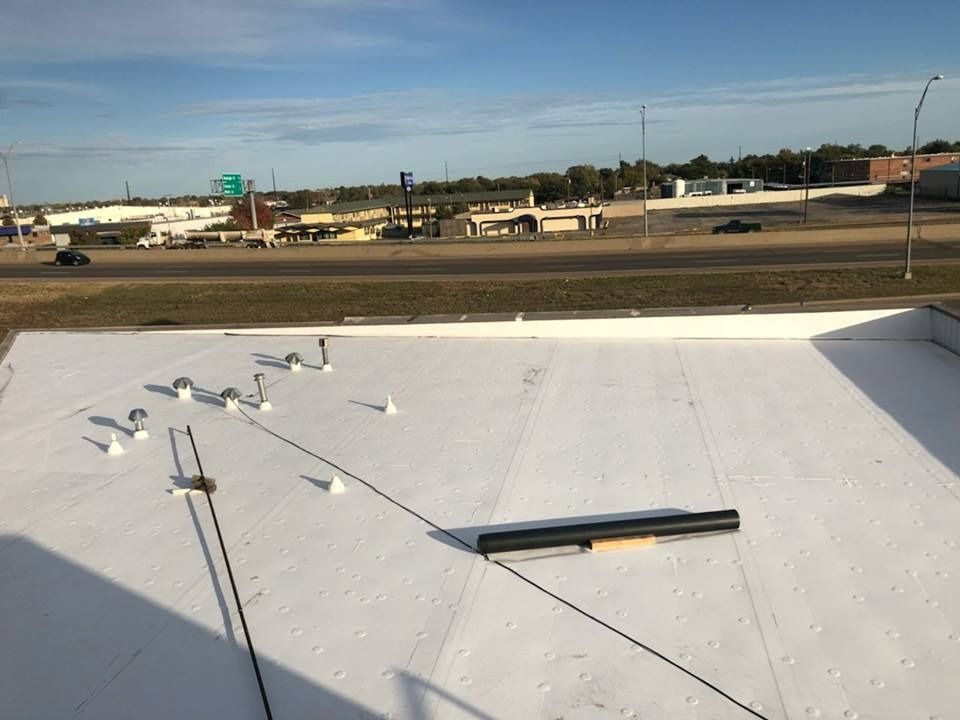
BCL Construction & Roofing installs and repairs flat roofing systems for commercial properties across Amarillo, including retail buildings, warehouses, offices, and industrial facilities where roof drainage and wind resistance are critical to preventing leaks and structural damage. Flat roofs require careful design to manage water runoff, especially after heavy rain or snow melt, and improper installation or deferred maintenance can lead to ponding water, membrane failure, and interior leaks. You operate a commercial building with an aging flat roof, or you are constructing a new facility, and the roofing system must handle the combination of high wind exposure and storm activity that defines the Texas Panhandle climate.
Flat roofing systems installed in Amarillo typically use single-ply membranes such as TPO or EPDM, built-up roofing with multiple layers of asphalt and fabric, or modified bitumen applied with heat or adhesive. Each system includes a drainage plan that directs water toward scuppers or internal drains, preventing water from pooling on the roof surface. Wind uplift resistance is addressed through mechanical fasteners, adhesive application, or ballast, depending on the membrane type and building code requirements. Proper installation includes insulation layers that improve energy efficiency, and flashing at parapets, penetrations, and roof edges ensures water does not infiltrate at transitions.
If your commercial building in Amarillo needs a new flat roof or repairs to an existing system, schedule a consultation to review membrane options and drainage solutions.
How Flat Roofing Systems Perform After Installation
After a flat roofing system is installed, you will notice that water clears from the roof surface quickly after rain, with no standing pools remaining more than forty-eight hours after a storm. The interior remains dry even during heavy downpours, and you will not see stains on ceilings or walls that indicate leaks. The roof membrane lies smooth and taut across the surface, with seams sealed and flashing secured at all transitions. During high wind events, the roof remains intact without membrane tears or edge lifting, because the system is designed to resist uplift forces common in Amarillo.
BCL Construction & Roofing ensures each flat roofing installation includes a drainage evaluation, proper slope or tapered insulation to direct water flow, and fastening or adhesive methods suited to the building's wind exposure. Flat roofs benefit from regular inspections, typically twice per year, to check for debris buildup around drains, inspect seams and flashing, and address minor issues before they develop into leaks. Membrane life varies by material, with TPO and EPDM systems often lasting twenty to thirty years when maintained properly, while built-up roofing may require more frequent resurfacing depending on UV exposure and traffic.
Flat roofing systems are not designed to support heavy foot traffic without protection, and any equipment installed on the roof, such as HVAC units, should rest on curbs or pads that distribute weight and prevent membrane punctures. Repairs to flat roofs can often be completed without full replacement if damage is localized, but deferred maintenance accelerates deterioration and increases repair costs. The roofing system does not eliminate the need for interior climate control, but proper insulation beneath the membrane reduces energy loss and improves temperature stability inside the building.
Common Questions About Flat Roofing for Commercial Buildings
Business owners and property managers in Amarillo often ask about drainage performance, maintenance schedules, and how flat roofing systems respond to the region's weather patterns.
What causes ponding water on flat roofs?
Ponding occurs when the roof surface lacks sufficient slope or when drains become clogged with debris. Proper installation includes tapered insulation or crickets that direct water toward drains, and regular maintenance prevents blockages that slow drainage.
How often should flat roofs be inspected in Amarillo?
Inspect flat roofs at least twice per year, typically in spring and fall, and after any major storm that brings hail or high wind. Early detection of membrane damage or flashing issues prevents leaks and extends roof life.
When should I replace a flat roof instead of repairing it?
Replace the roof when widespread membrane deterioration, multiple leaks, or wet insulation indicate that repairs will not restore performance. If the roof is approaching the end of its expected lifespan and requires frequent repairs, replacement becomes more cost-effective.
Why do flat roofs need wind resistance measures?
Flat roofs in Amarillo face sustained wind that can lift unsecured membrane edges or corners. Mechanical fasteners, adhesive layers, or ballast hold the membrane in place and prevent wind damage during storms.
How does insulation improve flat roof performance?
Insulation beneath the membrane reduces heat transfer, lowers energy costs, and provides a stable base for the roofing system. In Amarillo, where summer heat and winter cold create wide temperature swings, insulation improves interior comfort and protects the membrane from thermal stress.
BCL Construction & Roofing provides flat roofing installation and repair services for commercial properties across Amarillo, ensuring systems remain watertight and durable through all weather conditions. Reach out to schedule an inspection or discuss replacement options for your building.